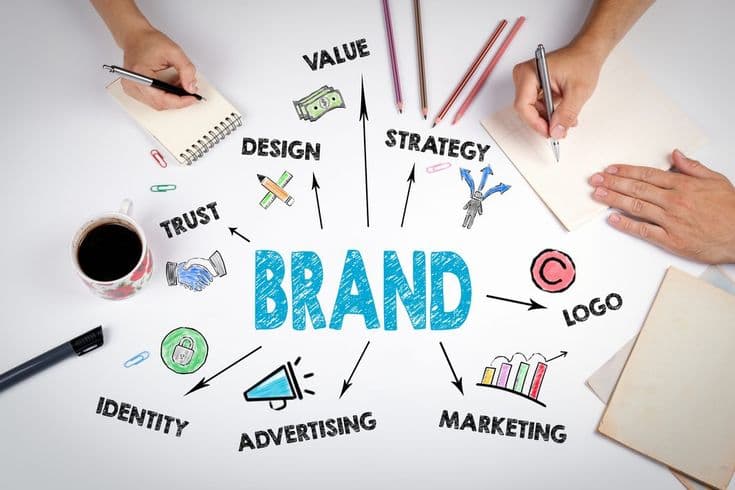

















A Strategic Guide to Building Consistency, Trust and Long-Term Growth Across Social Media
Most conversations about social media posting frequency begin with the wrong question. "How many times should we post every week?" Marketing teams search for the perfect number. Five posts a week. One Reel a day. Three LinkedIn posts every Monday, Wednesday and Friday. Countless articles promise the "ideal" posting schedule that will supposedly unlock better engagement and faster growth. For enterprise brands, however, this advice is not only incomplete—it can be misleading. A multinational company, an established B2B organisation or a market-leading consumer brand does not operate under the same conditions as a small business or an early-stage startup. Enterprise brands have multiple stakeholders, multiple business objectives and, most importantly, a reputation that has often taken years or even decades to build. Every post published under an enterprise brand's name carries weight. It may be seen by existing customers deciding whether to continue their relationship with the company. It may influence potential clients researching a long-term partnership. Investors, employees, journalists, industry analysts and future talent are all part of the audience. This means enterprise brands cannot afford to treat social media as a race to publish the highest number of posts. They must treat it as a strategic communication channel. At Social Up Marketing, we often encourage brands to shift their thinking. Instead of asking, "How often should we post?", we ask a more valuable question: "How often can we consistently deliver content that strengthens our brand?" That small shift changes everything. Posting frequency is no longer measured by numbers on a content calendar. It becomes a reflection of the brand's ability to educate, inspire, inform and build trust over time. Because in enterprise marketing, every post is an extension of the brand itself.
Why More Content Doesn't Automatically Mean Better Results
One of the biggest myths in digital marketing is that publishing more content automatically produces more engagement. At first glance, the idea seems reasonable. More posts should create more visibility. More visibility should generate more engagement. More engagement should lead to better business outcomes. In reality, social media rarely works so simply. Enterprise brands often have the resources to produce a high volume of content. Dedicated marketing teams, designers, copywriters, videographers and agency partners can keep every platform active throughout the week. But activity alone is not a strategy. Think about your own social media habits. How many posts do you scroll past every single day without remembering them even five minutes later? Now think about the posts that genuinely stay with you. Perhaps it was an insightful article from an industry leader. A thoughtful founder perspective. A compelling campaign. A beautifully produced video. A creator who explained a product in a way that felt authentic. You rarely remember those posts because they appeared frequently. You remember them because they created value. That is the standard enterprise brands should aim for. Publishing simply to satisfy an internal posting target often leads to repetitive messaging, rushed creative decisions and content that exists because the calendar demanded it—not because the audience needed it. The result is predictable. Engagement becomes inconsistent. Audience interest declines. Brand perception slowly weakens. Customers begin seeing the brand as another account filling their feed rather than a company worth listening to. This is why enterprise brands should measure success differently. The goal is not to maximise content output. The goal is to maximise the impact of every interaction.
---
Enterprise Brands Don't Compete on Volume—They Compete on Trust
Unlike smaller businesses trying to establish awareness, enterprise brands usually begin with something far more valuable. Recognition. People already know who they are. The challenge is not introducing themselves. The challenge is continuously proving why they deserve attention. Every post should reinforce the qualities that customers already associate with the business. Reliability. Innovation. Leadership. Expertise. Customer focus. Purpose. Trust. This is why enterprise social media strategies should never revolve around publishing as frequently as possible. Instead, they should revolve around protecting and strengthening brand perception. A single thoughtful LinkedIn article can sometimes create more meaningful conversations than ten generic promotional posts. One insightful YouTube video can continue educating customers for months. A carefully planned Instagram campaign can generate stronger emotional connections than weeks of random content. Enterprise brands win by creating lasting impressions—not endless impressions. At Social Up Marketing, this philosophy influences every strategy we build. Rather than chasing arbitrary posting targets, we focus on creating sustainable content systems that balance quality, consistency and business objectives. Because customers don't reward brands for posting the most. They reward brands that consistently provide something worth their time.
---
The Difference Between Consistency and Constant Posting
Another misconception that affects many enterprise marketing teams is confusing consistency with frequency. These two ideas are often treated as though they mean the same thing. They do not. Posting every day does not automatically make a brand consistent. Likewise, posting three times a week does not make a brand inconsistent. Consistency is about reliability. It is the confidence your audience develops in what they can expect from your brand. When customers follow an enterprise brand, they should immediately understand what that brand represents. They should recognise its voice. Its visual identity. Its values. Its perspective. Its quality standards. Those elements should remain consistent regardless of whether the company publishes three times a week or three times a day. Frequency simply determines how often the conversation begins. Consistency determines whether that conversation strengthens the relationship. The strongest enterprise brands understand this distinction. They don't disappear for months. But neither do they sacrifice quality simply to maintain an unrealistic publishing schedule. Instead, they establish a rhythm that their teams can realistically sustain without compromising creativity or strategic thinking. That rhythm differs from one organisation to another. It depends on available resources. Business objectives. Audience expectations. Platform behaviour. And the role social media plays within the broader marketing strategy. There is no universal formula. There never has been. Because successful enterprise marketing has never been about copying another brand's posting schedule. It has always been about building one that genuinely serves your own audience. Enterprise brands don't build authority by speaking every day. They build authority by ensuring that every time they speak, people are glad they listened.
Finding the Right Posting Rhythm Across Platforms
By now, one thing should be clear: There is no single posting frequency that works for every enterprise brand. Yet many marketing teams still search for a universal formula. "How many times should we post on LinkedIn?" "Should we upload a Reel every day?" "Does YouTube reward weekly uploads?" These questions aren't wrong. They're simply incomplete. The better question is: "What role does each platform play in our customer's journey?" An enterprise brand's audience doesn't behave the same way on every platform. The expectations change. The intent changes. Even the attention span changes. Someone opening LinkedIn on a Monday morning is looking for a completely different experience than someone scrolling Instagram after dinner or watching YouTube over the weekend. That is why every platform deserves its own content rhythm. The message should remain consistent. The execution should not. At Social Up Marketing, we often describe this as "one brand, multiple conversations." Your brand identity should never change. But the way you communicate that identity should evolve depending on where your audience meets you.
---
Enterprise B2B and Enterprise B2C Brands Shouldn't Follow the Same Posting Strategy
One mistake that frequently appears in marketing discussions is treating all enterprise brands as though they have identical objectives. They don't. A global consulting firm and a multinational beverage company are both enterprise brands. Their audiences, however, couldn't be more different. A B2B enterprise brand often operates in industries where purchasing decisions take weeks or even months. Trust is built gradually. Decision-makers consume detailed information before making commitments. Here, every post should contribute to credibility. Thought leadership. Industry reports. Research. Founder perspectives. Case studies. Client success stories. Educational content. The objective isn't constant visibility. It's becoming the most trusted voice in the room. A B2C enterprise brand follows a different journey. Its audience interacts with the brand more frequently. Purchasing decisions are often emotional as well as practical. Visual storytelling, creator collaborations, product launches and community engagement naturally become more important. This means B2C brands often maintain a faster content rhythm than B2B organisations. Neither approach is superior. They're simply designed for different customer journeys. This is why comparing your posting schedule to another enterprise brand rarely makes sense. Success comes from understanding your own audience—not copying someone else's calendar.
---
Every Platform Has a Different Responsibility
One of the biggest advantages of an omnichannel strategy is that every platform contributes something unique. Instead of expecting every channel to accomplish every marketing objective, enterprise brands should assign clear responsibilities.
LinkedIn: Building Authority. LinkedIn is where enterprise brands establish expertise. This is the platform for executive insights, industry commentary, company achievements, research findings and thought leadership. Here, consistency matters more than frequency. Publishing fewer, high-quality posts often creates stronger engagement than flooding feeds with repetitive updates. Decision-makers value insight. Not noise. Every LinkedIn post should answer an important question: "Does this make our audience smarter?" If the answer is yes, the content is worth publishing.
---
Instagram: Building Brand Personality. Instagram plays a different role. People don't simply visit Instagram to consume information. They come to experience brands. This makes Instagram an ideal platform for visual storytelling. Creator collaborations. Behind-the-scenes moments. Brand culture. Product showcases. Community interaction. Reels. Stories. The platform naturally supports a more active publishing rhythm because audiences expect regular interaction. However, active should never mean excessive. An enterprise brand should never publish simply because it hasn't posted today. Every piece of content should strengthen the overall brand experience.
---
Facebook: Maintaining Communities. While newer platforms often dominate conversations, Facebook continues to hold significant value for many enterprise organisations. Especially those managing established customer communities. Customer support. Announcements. Events. Community discussions. Long-term customer relationships. These often perform exceptionally well on Facebook because the platform encourages ongoing interaction rather than one-time discovery. Here, posting frequency should support conversations—not interrupt them.
---
YouTube: Building Long-Term Trust. YouTube rewards patience. Unlike fast-moving platforms where content disappears within hours, YouTube content often continues generating value for months or even years. A well-produced educational video. An executive interview. A product walkthrough. A customer success story. These become long-term brand assets. Because producing this level of content requires greater investment, enterprise brands should never feel pressured to upload constantly. One exceptional video can outperform dozens of average ones. Quality becomes the growth strategy. Not quantity. At Social Up Marketing, we encourage brands to think of YouTube as a knowledge platform rather than simply another social channel. Because trust grows when audiences willingly spend ten minutes learning from your brand.
---
Should Every Enterprise Brand Follow Social Media Trends?
One of the fastest ways to damage enterprise brand perception is by participating in trends that don't align with your identity. Not every viral moment deserves a response. Not every meme deserves a corporate version. Not every trending audio belongs in your content strategy. The brands that succeed with trends are the ones whose personalities naturally support them. Think about Coca-Cola. Zomato. Zepto. boAt. These brands have built approachable, conversational identities. Humour feels authentic. Internet culture feels expected. Their audiences enjoy seeing them participate in trending conversations because it reinforces the personalities they have spent years building. Now imagine the same trend executed by Microsoft. Deloitte. IBM. The reaction would likely be very different. Not because these companies are incapable of creativity. But because their audiences expect something different from them. Their authority comes from expertise, innovation and leadership—not internet humour. This is an important distinction. Enterprise brands should never chase trends because they are trending. They should only participate when those moments strengthen the brand they have already built. A trend should amplify identity. Never replace it. Because trends disappear within days. Brand perception lasts for years.
---
Content Quality Always Wins Over Content Quantity
As enterprise organisations grow, marketing teams naturally feel pressure to produce more. More campaigns. More formats. More updates. More platform coverage. Growth often creates the illusion that content volume must grow at the same pace. In reality, the opposite is often true. The larger the brand becomes, the greater the responsibility every piece of communication carries. Customers notice inconsistencies. Investors notice messaging. Employees notice company culture. Partners notice professionalism. Every post contributes to the overall perception of the organisation. That is why enterprise content should never be judged by how frequently it appears. It should be judged by whether it creates value. Does it educate? Does it solve a problem? Does it inspire confidence? Does it reinforce the brand's expertise? Does it strengthen customer trust? If the answer is yes, the content deserves to exist. If the answer is no, publishing it simply to maintain frequency serves neither the audience nor the business. At Social Up Marketing, we believe enterprise brands should never optimise for the number of posts they publish. They should optimise for the number of meaningful interactions they create. Because audiences rarely remember who posted the most. They remember who consistently gave them a reason to stop scrolling. The best posting schedule isn't the busiest one. It's the one that leaves your audience looking forward to the next post.
Building a Scalable Social Media System for Enterprise Brands
By this point, one thing becomes evident: The biggest challenge for enterprise brands is rarely deciding how often to post. The real challenge is continuing to publish high-quality content as the business grows. Growth introduces complexity. Marketing teams become larger. Business units expand. Regional offices begin creating their own campaigns. New products require dedicated communication. Leadership teams want visibility. Sales teams need support. HR wants employer branding. Customer success wants educational content. Suddenly, social media is no longer managed by one team with one objective. It becomes a collaborative effort involving multiple departments, each with different priorities. Without a clear system, the result is predictable. Some teams publish excessively. Others barely communicate. Messaging starts becoming inconsistent. The brand voice begins changing from one platform—or even one department—to another. Customers don't see the internal structure behind these decisions. They simply experience one brand. And when that experience feels inconsistent, confidence in the brand slowly begins to weaken. This is why enterprise brands need more than a content calendar. They need a content governance system.
---
Why Governance Doesn't Have to Kill Creativity
The word governance often makes marketers nervous. It sounds restrictive. Lengthy approval chains. Multiple revisions. Corporate language. Endless meetings. While governance is essential for enterprise brands, poor governance often creates another problem. Content becomes overly polished. Overly cautious. Overly corporate. By the time five different departments have approved a post, the original idea has often lost the personality that made it interesting in the first place. Sometimes, it also loses its relevance. A trend has already passed. An industry conversation has moved on. The opportunity to contribute meaningfully has disappeared. Enterprise brands should not eliminate approval systems. They should improve them. Clear brand guidelines. Well-defined responsibilities. Content frameworks. Approval timelines. Decision-making ownership. These elements help teams move faster while protecting brand consistency. The objective is not to remove creativity. The objective is to remove unnecessary friction. At Social Up Marketing, we help enterprise brands develop content workflows that balance strategic oversight with creative freedom. Because the best enterprise content doesn't feel heavily approved. It feels thoughtful, timely and human.
---
Why Analytics Should Shape Posting Frequency
Many brands use analytics only to prepare monthly reports. Enterprise brands should use them to make better strategic decisions. Analytics shouldn't answer only: "How many people saw this post?" They should answer: "What type of content earns trust?" Enterprise brands should regularly evaluate: - Which topics consistently generate meaningful conversations? - Which formats keep audiences engaged the longest? - Which platforms contribute most effectively to business objectives? - Which campaigns strengthen brand perception rather than simply increasing reach? - Which content encourages audiences to return? These insights are far more valuable than chasing arbitrary posting targets. If posting more frequently leads to lower engagement, declining quality and weaker conversations, the answer is not to publish even more. It is to reassess the strategy. Likewise, if fewer, higher-quality posts consistently outperform larger volumes of average content, that becomes the rhythm the brand should embrace. Analytics should not pressure brands into producing more. They should help brands produce smarter.
---
A Sustainable Content System Always Outperforms a Busy Content Calendar
Many enterprise marketing teams celebrate a full calendar. Campaigns planned months in advance. Daily publishing schedules. Continuous activity across multiple platforms. While organisation is important, a busy calendar alone does not create business results. A sustainable content system does. The difference is significant. A calendar answers: "When are we posting?" A content system answers: "Why are we posting this?" Every post should support a larger objective. Some pieces establish thought leadership. Some strengthen community relationships. Some educate. Some introduce new products. Some reinforce company culture. Some position the organisation as an industry leader. When every piece of content has a defined purpose, frequency becomes much easier to manage. Teams stop publishing simply because there is an empty slot. Instead, they publish because they have something genuinely worth communicating. That shift transforms social media from an operational task into a strategic business function.
How Social Up Marketing Helps Enterprise Brands Build Smarter Social Media Strategies
Managing enterprise social media requires more than creativity. It requires systems. Strategy. Consistency. Platform expertise. And a deep understanding of how different audiences consume content. At Social Up Marketing, we don't believe in recommending the same posting schedule to every client. Every enterprise brand has different objectives, different audiences and different resources. That means every strategy should be built accordingly. Our approach begins by understanding the role social media plays within the business. From there, we develop platform-specific strategies, scalable content plans and governance frameworks that allow brands to grow without losing their identity. Whether it's building thought leadership on LinkedIn, strengthening brand storytelling on Instagram, creating educational YouTube content or managing cross-platform consistency, our objective remains the same: To help brands communicate with purpose. Not pressure. Because successful enterprise social media is never measured by how full the content calendar looks. It is measured by the trust every piece of content creates.
---
Conclusion
The search for the "perfect" posting frequency has distracted brands for years. There has never been one universal answer. And there never will be. Enterprise brands operate in industries, markets and customer journeys that are far too different for a single number to define success. The brands that consistently lead their industries understand something many businesses overlook. Social media is not a competition for visibility. It is a competition for credibility. Customers don't remember how many times a brand posted last month. They remember how that brand made them feel. Whether it educated them. Solved a problem. Inspired confidence. Or demonstrated expertise. That is why every post should be treated as an investment in brand reputation—not merely another item to tick off a marketing checklist. At Social Up Marketing, we believe the strongest enterprise brands are built through thoughtful strategy, meaningful storytelling and consistent execution—not by chasing algorithms or copying competitors' publishing schedules. Because in the end, the question was never: "How often should we post?" The real question has always been: "How often can we create content that people genuinely want to see?" Enterprise brands that answer that question well will never struggle to stay relevant. They won't earn attention because they post the most. They'll earn it because every time they speak, their audience knows it's worth listening.