
















Stop Managing Content as Separate Activities
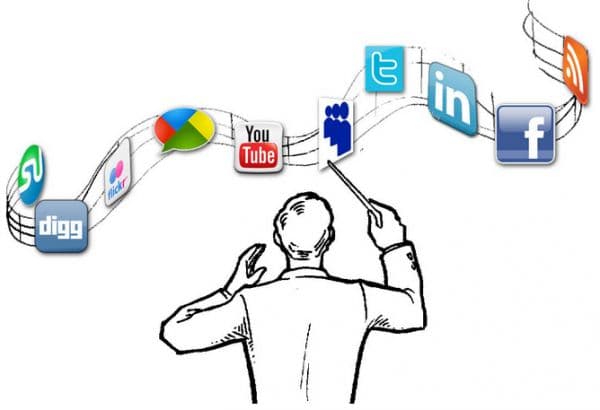
Brands rarely struggle because they have only one way to create content. They struggle because they have many ways to create it without a clear system connecting them. The social media team publishes brand updates, creators produce user-generated content, influencers promote products, and founders share their professional perspectives. Each activity may perform well individually, yet the overall marketing effort can still feel fragmented. Audiences encounter disconnected messages, teams repeat work, useful content disappears after a campaign, and insights from one channel rarely influence the next. A content ecosystem addresses this problem by treating content as a connected business asset rather than a collection of independent posts. Social media creates ongoing visibility and conversation. User-generated content provides customer perspectives and practical demonstrations. Influencer marketing introduces the brand to relevant communities through trusted creators. Personal branding adds human judgement, leadership and a recognisable point of view. Each component has a distinct role, but all contribute to a shared customer experience. The objective is not to publish the same message everywhere. It is to create a system in which every content source adds something valuable, information moves between teams, and audience responses shape future decisions. When this system works, a brand does not simply produce more content. It makes better use of the content, relationships and knowledge it already has.
Understand the Ecosystem Before Choosing the Channels
The first step is to stop thinking about the ecosystem as a list of platforms. A brand can be active on Instagram, LinkedIn, YouTube and other channels while still lacking an integrated strategy. Channels are distribution environments. An ecosystem is the relationship between the people, ideas, assets, decisions and processes that make the brand's communication work. Start by identifying the business problem the content ecosystem needs to solve. A new brand might need awareness and credible explanations of its value. A growing business might need to help prospective customers compare options and overcome objections. An established company might want to increase repeat purchases, strengthen customer advocacy or improve the efficiency of its marketing investment. The purpose determines which content sources deserve priority. Next, map the resources already available. These may include existing social posts, customer reviews, product demonstrations, creator relationships, founder interviews, customer support questions, campaign reports, case studies and sales-team observations. Much of this information is created for one purpose and then forgotten. A customer question answered by a support team might become a useful educational post. An influencer's demonstration might reveal an unexpected product benefit. A founder's explanation of a difficult decision might help the social media team communicate the company's values. This audit should identify gaps as well as assets. Perhaps the brand produces plenty of awareness content but rarely answers practical buying questions. Perhaps influencer campaigns generate strong videos, but the business lacks permission to reuse them. Perhaps the founder has valuable expertise that never reaches the wider audience. The ecosystem should be designed around these gaps, not around the assumption that every channel requires an equal volume of content.
Give Every Content Source a Distinct Job
An effective ecosystem depends on role clarity. Social media, UGC, influencer marketing and personal branding can overlap, but they should not be expected to deliver exactly the same result. Brand-led social media is often responsible for continuity. It gives the company a dependable place to explain its products, share updates, answer common questions, communicate its values and respond to audience conversations. It maintains the relationship between campaigns and helps the audience understand what the brand consistently offers. User-generated content provides an outside-in view. It shows how real people experience, use, interpret or discuss a product or service. Depending on its source, it can include customer reviews, community posts, testimonials, photographs, videos and product demonstrations. Its strength is not simply that it looks less polished. It can reveal questions, use cases and experiences that the brand's internal team might overlook. Influencer marketing provides access to established communities and creator expertise. A relevant creator can introduce a product in a context the audience already understands, demonstrate its use and explain why it might matter. The value depends on audience fit, creative credibility and campaign objectives, not merely follower count. Personal branding gives people a human perspective through a founder, executive or other recognised professional. It can explain the thinking behind decisions, make company principles more tangible and provide a voice for complex industry discussions. It should not simply repeat corporate announcements in the first person. These roles should be documented in plain language. If every team believes its job is to generate awareness, publish product promotions and drive immediate sales, duplication is almost inevitable. Distinct responsibilities make collaboration easier because teams know what they contribute and what they need from others.
Connect the Ecosystem to the Customer Journey
Content should connect not only across teams but also across the decisions customers make. People rarely move from discovering a brand to purchasing simply because they encountered one persuasive post. They may notice the brand, become curious, compare alternatives, seek evidence, discuss the purchase with someone else and return later with additional questions. Different content sources can support these moments. A social post may introduce a problem the audience recognises. An influencer demonstration may show how the product works in a real setting. Customer-generated content may illustrate how different people use it. A founder's explanation may clarify the company's approach, product philosophy or service standards. Brand-led content can then provide detailed information about features, pricing, support or next steps. This sequence does not need to be rigid. Customers may encounter a review before an advertisement, discover a founder through an interview or learn about a product from a friend. The ecosystem should therefore offer connected information in multiple places rather than assume every person follows a predetermined funnel. Map the questions customers ask at each stage. Early questions might include whether the problem is worth solving and whether the brand understands it. Later questions may concern product suitability, implementation, cost, reliability, compatibility and after-sales support. Then identify which content source is best equipped to answer each question credibly. This process also exposes missing connections. If an influencer campaign generates interest but the brand profile contains little practical information, potential customers may have nowhere useful to go next. If customer reviews reveal a common concern that the brand never addresses, the ecosystem leaves an important question unanswered. The goal is to make the next useful piece of information easy to find.
Build a Shared Message Without Making Every Voice Identical
A connected ecosystem needs a common foundation, but it should not flatten every contributor into the same voice. The brand, a customer, an influencer and a founder occupy different positions. Their messages can support the same strategic direction without sounding interchangeable. The brand may explain a product's main benefit in direct, structured language. A customer might describe the inconvenience they experienced before using it. An influencer may demonstrate how the product fits into a particular routine. The founder may explain why the company designed it that way. Each perspective adds a different kind of evidence. To coordinate these voices, establish a shared message framework. It should define the audience, the problem the brand addresses, the value it offers, the evidence supporting its claims and the important limitations that must not be misrepresented. It can also clarify language to use, terminology to avoid and topics requiring specialist review. The framework should not become a script for every creator. Influencers need room to communicate in a way that feels natural to their audiences. Customers should be free to describe genuine experiences in their own words. Founders should be able to explain their thinking rather than recite corporate copy. The purpose of the framework is to maintain factual and strategic consistency, not identical phrasing. For example, a sustainable home-products brand might consistently emphasise durability, responsible material choices and practical everyday use. The social team could explain product care, customers could show how products perform over time, creators could demonstrate them in real homes, and the founder could discuss the trade-offs involved in material selection. The perspectives differ, but the underlying message remains coherent.
Create a Content Flow From One Strong Idea
A content ecosystem becomes more efficient when one well-developed idea can support several useful executions. This is different from copying the same post across every platform. The starting point should be an insight substantial enough to be explored from multiple perspectives. Suppose a software company discovers that customers often purchase a tool to save time but struggle to integrate it into existing workflows. The company could publish a social post explaining the problem, commission a creator to demonstrate a practical workflow, invite customers to share their implementation experiences and have the founder explain why adoption matters as much as product features. Each execution should answer a different question. The social post identifies the problem. The creator demonstrates a solution. Customer content reveals varied experiences. The founder adds a broader interpretation. The company can then publish a detailed guide based on the questions and patterns that emerge. This method preserves the value of the original insight while adapting its presentation to the audience and format. It also creates opportunities for learning. If the creator's demonstration attracts questions about setup, the company can improve its onboarding content. If customers repeatedly mention a benefit the brand had not emphasised, the marketing team can investigate whether that benefit deserves more attention. A practical workflow begins with the insight, not the format. First establish what the audience needs to understand. Then decide which voice can explain it best, which evidence is available and where the content will be most useful. This prevents teams from creating posts merely because a publishing calendar contains an empty slot.
Treat UGC as a Learning Resource, Not Just a Creative Asset
Brands often collect customer content because it offers authentic-looking material for social media and advertising. That is valuable, but it is only one part of its potential. UGC can reveal how customers understand the product, what they value, where they encounter friction and which benefits matter outside the company's original messaging. A customer may use a product in a way the marketing team never anticipated. Several people may describe the same feature using language that differs from the official product description. A video might show that customers consistently struggle with one step. A review may praise an unexpected benefit that competitors have not addressed. These patterns can influence product education, positioning and customer experience. Build a process for reviewing customer content beyond its immediate performance. Record recurring questions, benefits, frustrations, use cases and language. Share relevant findings with product, customer service, sales and marketing teams. If several customers misunderstand the same feature, the solution may be clearer onboarding rather than another promotional campaign. Permission remains essential. A public post is not automatically available for unrestricted commercial reuse. Brands should obtain appropriate permission, agree on usage terms and respect the creator's or customer's preferences. Editing should not distort the original meaning, and a genuine customer experience should not be presented as a universal guarantee. It is also important to represent customer experiences honestly. A selection of enthusiastic testimonials does not prove that every customer will achieve the same result. The ecosystem becomes more trustworthy when the brand uses UGC as evidence of particular experiences while maintaining accurate claims about what the product can and cannot do.
Make Influencer Campaigns Feed the Wider System
Influencer marketing can become disconnected when the campaign is planned, published and reported without any further use of what it produces. The creator delivers agreed content, the brand measures immediate results and the project ends. Meanwhile, useful demonstrations, audience questions and creative learnings remain trapped in the campaign report. Before a collaboration begins, decide how its outputs may support the wider ecosystem. This requires discussing deliverables, paid usage, platform permissions, duration, editing, attribution and any restrictions before production. A creator's agreement to publish a video does not automatically grant the brand unlimited rights to repurpose it in advertisements, on product pages or across other channels. The campaign brief should also identify the questions the content is meant to answer. Is the audience unfamiliar with the product? Does it need to see a particular feature in action? Are buyers uncertain about suitability or implementation? A campaign built around a clear question is easier to connect to future content than one focused only on generating impressions. After publication, review more than views and likes. Examine comments, recurring objections, questions, saves, click behaviour and qualified enquiries where available. Compare the creator's presentation with the brand's assumptions. Perhaps a simple demonstration proved more persuasive than a polished lifestyle narrative. Perhaps the audience responded to a use case the team had overlooked. These observations should influence the next campaign and the brand's organic content. A strong creator partnership is not merely a distribution purchase. It can be a source of creative insight, audience understanding and reusable content—provided the commercial rights and strategic purpose have been established properly.
Give Personal Branding a Clear Place in the Ecosystem
Founder and executive content can strengthen a brand, but only when it contributes something that the corporate account cannot communicate as effectively. A company account is well suited to product information, announcements, service updates and formal brand messages. A founder can add personal judgement, experience, context and accountability. For example, the company might announce a change in its service model. The founder could explain the customer problem that led to the decision, the alternatives considered and the trade-offs involved. The corporate post provides the official information; the founder's contribution makes the reasoning more understandable. Neither needs to duplicate the other. Personal branding can also connect industry conversations to the company's expertise. A founder may explain a common misconception, discuss an emerging challenge or share lessons from a difficult decision. These contributions can build credibility over time, particularly when they are grounded in experience rather than broad motivational statements. However, the founder's content should not become an unofficial channel for every company message. Personal views, company commitments and commercial announcements need clear boundaries. Where a founder speaks on behalf of the business, the team should agree on the facts and approval requirements. Where the founder expresses a personal opinion, it should not be misleadingly presented as an official company position. The wider ecosystem should benefit from founder content without turning it into compulsory cross-promotion. A useful explanation may inspire a company post, a customer guide or an influencer discussion. That connection should be based on relevance. If every personal post ends with a product pitch, the founder's voice may lose the independent credibility that made it valuable.
Build a Shared Library That People Can Actually Use
An ecosystem needs a reliable place to store and retrieve content, permissions, context and performance information. Without one, teams waste time searching old messages, asking creators for files again or recreating assets that already exist. A useful content library should record more than the file name and publication date. Include the source, original creator, format, topic, audience, campaign, intended use, rights status, approval status and any relevant expiry date. Where appropriate, record the original performance and note what the asset demonstrated about the audience. Organisation should reflect how people search for material. Teams may need content by product, customer question, campaign objective, audience segment, funnel stage or platform. A clear tagging system makes it easier to find a customer demonstration suitable for an educational post or an influencer video that can be licensed for a specific campaign. Rights information deserves special attention. An asset may be cleared for organic social media but not for paid advertising. A creator may permit reuse for a defined period, while a customer testimonial may require additional consent before appearing on a commercial landing page. These distinctions should be visible before anyone downloads and republishes the content. The library also needs maintenance. Remove or flag outdated claims, expired permissions and assets that no longer reflect the product. Assign responsibility for keeping records current. A large repository is not automatically useful; its value depends on whether the team can find appropriate material and confidently understand how it may be used.
Establish Ownership Across Teams and Partners
A content ecosystem crosses responsibilities that are often managed separately. Social media teams, influencer managers, customer service, brand strategy, founders, legal reviewers and external creators may all contribute. If nobody owns the connections between these groups, integration becomes an aspiration rather than a working process. Assign clear responsibility for the ecosystem's overall direction. This does not mean one person must create every asset or approve every post. It means someone should maintain the shared priorities, identify gaps, coordinate learning and ensure that important decisions are communicated across teams. Each activity also needs an accountable owner. The social team may manage publishing and community responses. Influencer managers may handle creator selection, contracts and campaign delivery. Customer experience teams may identify recurring customer questions. The founder's communications lead may coordinate executive content. A rights or legal contact may advise on permissions, disclosures and sensitive claims. Create a lightweight process for exchanging information. A campaign debrief should not remain with the influencer team if it contains useful customer insights. A recurring question discovered by customer service should reach the people planning educational content. A founder's interview may provide a useful explanation that the social team can adapt into a series. Avoid adding unnecessary meetings simply to demonstrate collaboration. Shared briefs, a searchable library, a short campaign review and clear ownership may be enough for a smaller organisation. The right process is the simplest one that reliably moves information to the people who need it.
Design Measurement Around Shared Business Outcomes
An integrated ecosystem requires measurement that recognises both individual performance and collective contribution. A single metric cannot explain whether the system is working. Reach may show exposure, while engagement indicates interaction. Website behaviour, enquiries, conversion rates and repeat purchases may reveal more about commercial outcomes, depending on the business model. Begin with the business objective. If the priority is awareness, evaluate relevant reach, audience quality, recall where measurable and the growth of qualified attention. If the goal is consideration, look at meaningful engagement, return visits, product-page behaviour, information requests and the quality of conversations. If the goal is sales, examine attributable purchases, conversion rates, revenue and profitability alongside the limitations of attribution. Each content source can have supporting measures. Social media may be assessed through consistent audience engagement and the performance of educational content. UGC may be evaluated through its relevance, usability, customer response and contribution to trust or conversion. Influencer campaigns may require audience fit, campaign reach, qualified traffic, creator-specific outcomes and the value of licensed assets. Personal branding may contribute to professional credibility, referrals, inbound enquiries and the quality of business conversations. Avoid counting the same result multiple times as though separate channels independently caused it. A customer might discover a product through an influencer, read a customer review and later convert after visiting the company's website. Attribution systems may assign credit differently, and not every interaction will be observable. Use tracking links, campaign codes, surveys and available analytics together, while acknowledging their limits. The wider question is whether the ecosystem improves the way the brand communicates and converts interest into meaningful outcomes. A channel can look successful in isolation while adding little incremental value. Conversely, a piece of content with modest public engagement may answer a crucial question for a smaller group of high-intent prospects.
Use Experiments to Improve the Connections
Once the ecosystem is operating, treat its connections as hypotheses that can be tested. Perhaps customer demonstrations improve the performance of product education. Perhaps founder commentary increases the depth of engagement with a complex topic. Perhaps influencer content generates better qualified traffic when supported by a detailed landing page rather than a generic homepage. Choose one question at a time. Establish a baseline, define the outcome and decide what evidence would support a change. Where practical, compare similar audiences, creative approaches or periods while accounting for differences that may affect results. Not every marketing activity allows a clean experiment, but a deliberate comparison is better than relying on impressions alone. Tests should include operational questions as well as creative ones. Does sharing a common brief reduce revisions? Does a central asset library improve reuse? Does involving customer service earlier reveal stronger content ideas? Does agreeing on usage rights before production make successful creator content easier to extend? Record what was learned, including inconclusive results. A failed experiment may reveal that a particular format does not suit the audience or that a message needs more context. The point is not to declare every activity a success. It is to make future decisions more informed.Keep the process proportionate. Smaller brands can learn through structured campaign reviews and simple comparisons. Larger organisations may need more formal experimentation and analytics support. In either case, learning matters only when it changes a subsequent decision.
Avoid Turning Integration Into Endless Repurposing
A connected ecosystem can become counterproductive if every asset is forced into every channel. A founder's detailed reflection may not suit a short promotional video. A customer review may be valuable as social proof but unsuitable as a thought-leadership article. An influencer's humorous format may lose its appeal when stripped of the context that made it work. Reuse should be based on fit, not on the desire to extract the maximum number of posts from every production. Ask whether the content remains understandable in the new setting, whether the audience needs that format and whether the original creator's contribution is preserved appropriately. Some assets are best used once. Others can support several executions over time. Repetition also needs purpose. Important messages may deserve repeated exposure, especially when audiences encounter the brand at different moments. But repeating identical promotional claims without adding context can create fatigue. Introduce new evidence, answer a different question or demonstrate another relevant use case. A good ecosystem increases the usefulness of content, not merely its volume. If repurposing makes the message less credible, less clear or less appropriate for the audience, the additional distribution may not be worth the effort.
Protect Trust Through Clear Standards
The ecosystem relies on trust among the brand, customers, creators and audience. That trust can be damaged when commercial relationships are hidden, testimonials are misleading, claims are exaggerated or content is reused without permission. Influencer partnerships should use appropriate disclosures that make material relationships clear. Brands and creators should follow applicable advertising rules and platform requirements. Product claims should be supported by evidence, and any limitations should be represented fairly. Where content concerns regulated or sensitive categories, obtain suitable review before publication. Customer-generated material needs the same care. Obtain permission for commercial reuse, respect agreed conditions and avoid editing a person's words in a way that changes their meaning. If an incentive was offered for a review or submission, disclose it where required. Do not imply that a selected testimonial represents every customer's experience. Internal governance should support speed rather than make publishing unnecessarily difficult. Establish clear rules for routine content, identify claims that require review and specify who can approve exceptions. Creators need to understand the boundaries before they produce content, not after a successful post has created pressure to use it immediately. Trust is not a separate campaign objective that can be added at the end. It is a condition that allows the different parts of the ecosystem to reinforce one another. Without it, the same connections that increase reach can also spread confusion or damage credibility more quickly.
Scale the Ecosystem at the Right Pace
Brands do not need to launch every component simultaneously. A small company may begin with brand-led social media and customer-generated content, then introduce selected influencer collaborations once it understands its audience and message. A founder-led business may start by connecting the founder's expertise to the company's educational content. A larger organisation may already have several active teams and need to improve coordination before increasing production. Choose the starting point according to the most important gap. If the brand lacks credible demonstrations, encourage customers to share genuine experiences and establish a permission process. If it struggles to reach a relevant audience, test carefully selected creators. If its message feels impersonal or confusing, clarify the founder's contribution and the company's core explanations. If content is already abundant but difficult to reuse, improve the library and rights records before commissioning more. Scale only when the underlying process is reliable. More creators increase coordination needs. More channels require clearer ownership. More assets require better organisation. More campaigns create additional measurement and compliance responsibilities. Growth without operational discipline can make the ecosystem less effective, not more. Review the system at regular intervals. Ask which content sources contribute distinct value, where information is getting lost, which assets remain underused and what audience questions are still unanswered. Remove unnecessary complexity and invest in the connections that produce useful outcomes.
Build a System That Learns as It Publishes
A content ecosystem is not simply a plan to publish on more platforms or produce more material. It is a coordinated system in which social media maintains the brand's ongoing presence, UGC brings customer experiences into the conversation, influencer marketing connects the brand with relevant communities and personal branding adds human judgement and context. The strongest ecosystems give every source a distinct role while connecting them through shared objectives, consistent facts, clear ownership and practical workflows. They reuse content when doing so adds value, secure the appropriate permissions, learn from audience responses and measure results in relation to business outcomes. Most importantly, they allow information to travel in both directions: from the brand to the audience and from the audience back into the brand's decisions. Brands do not need to make every channel look alike. They need to make the experience feel connected. When a creator's demonstration informs a customer guide, customer feedback improves future messaging and a founder's perspective clarifies the thinking behind the company's actions, content stops functioning as a series of isolated campaigns. It becomes a system that grows more useful with every cycle.