

















Having a Point of View Is Valuable. Knowing How to Express It Matters More.
Founders are often encouraged to become more visible online, share their expertise and contribute to conversations within their industries. However, being visible does not mean agreeing with every popular opinion or limiting communication to safe, predictable statements. A recognisable founder brand often develops when an individual has a clear perspective and is willing to explain what they believe. Strong opinions can make professional content more interesting. They can challenge familiar assumptions, introduce a different way of thinking and encourage people to reconsider how they approach a business problem. A founder who explains why they disagree with a common industry practice may give audiences a reason to remember their perspective. But expressing an opinion online also carries responsibility. A statement written in frustration can be misunderstood, taken out of context or interpreted as an official position of the company. An unnecessary personal attack can distract from an otherwise valuable argument. Even a well-intentioned post can damage trust if it relies on inaccurate information or makes broad claims without evidence. The objective is not to make founders less opinionated. It is to help them communicate with clarity, judgement and awareness of the audience. A strong professional opinion should give people something meaningful to consider, not leave them questioning the founder’s reliability or respect for others.
Three key takeaways
- Be clear about the idea you are challenging: A strong opinion should have a specific point, a reason behind it and enough context for readers to understand it.
- Challenge ideas without attacking people: Disagreement can create useful discussion when it focuses on practices, assumptions and evidence rather than personal criticism.
- Protect credibility through thoughtful communication: Check facts, recognise limitations, separate personal views from official company statements and respond to disagreement professionally.

Why Should Founders Share Strong Opinions Online?
Strong opinions help founders communicate a distinctive professional perspective. They show how an individual interprets industry developments, evaluates business practices and approaches familiar challenges. When expressed responsibly, these viewpoints can make a personal brand more recognisable and encourage conversations that go beyond routine promotional content. A founder does not need to be controversial to be memorable. A clear, well-supported point of view can be valuable even when it challenges only one widely accepted assumption. Strong opinions help a founder stand for something: A personal brand becomes easier to recognise when audiences understand the principles and ideas associated with the founder. If a founder repeatedly discusses customer understanding, transparent communication or responsible collaboration, these subjects can become part of their professional identity. However, simply mentioning values is not enough. The founder also needs to explain what those values mean in practice and how they influence decisions. For example, a founder might disagree with the idea that a creator partnership should be evaluated only through follower count. Rather than dismissing the approach with a provocative statement, they could explain why audience relevance, content quality and the suitability of a creator's community also deserve consideration. That viewpoint communicates a professional principle. It also gives readers a more useful way to evaluate creator partnerships. The founder is not merely saying that they have an opinion. They are showing the reasoning behind it. Opinions create opportunities for meaningful conversations: A generic post may be easy to agree with but difficult to remember. Statements such as "communication is important" or "consistency matters" are familiar across almost every industry. A stronger post explores a more specific question. For instance, a founder might ask whether businesses sometimes publish too much content without considering whether each piece answers a genuine audience need. This introduces a point that people can discuss. Some readers may agree because they have experienced the same problem. Others may offer a different perspective based on their industry or business model. The value comes from the exchange of ideas, not simply from the number of comments. Founders should not assume that disagreement is automatically a sign of successful content. A post can attract attention because it is misleading, offensive or unnecessarily provocative. The more useful measure is whether the conversation reflects the professional identity the founder wants to build. A point of view can demonstrate expertise: Expertise is not only about knowing facts. It also involves interpreting information, recognising trade-offs and explaining why one approach may be more suitable than another. A founder who shares a reasoned opinion can demonstrate this kind of judgement. For example, instead of stating that every business needs to follow the latest social media trend, a founder could explain why a trend should be evaluated against the brand's audience, resources and communication objectives. The opinion becomes valuable because it reveals a way of thinking. It helps readers understand how the founder approaches a decision rather than simply presenting a conclusion. This is particularly useful in industries where audiences encounter a large volume of similar advice. A distinctive perspective can make the founder's professional communication more meaningful. However, founders should remain clear about the difference between personal experience, professional judgement and verified facts. An opinion based on experience should not be presented as a universal rule. Strong opinions can make educational content more engaging: Educational content does not have to be neutral or overly formal. A founder can teach a subject while expressing a clear position about how it should be approached. Consider a post about content planning. A basic explanation might list several steps involved in preparing a content calendar. An opinion-led version might begin by challenging the assumption that a larger content calendar automatically leads to better communication. The founder could then explain why planning should begin with audience needs and the purpose of each piece of content. The educational value comes from the explanation that follows the opinion. This structure works because the viewpoint gives the post a clear direction, while the supporting information helps readers understand the argument. A founder's perspective can create a recognisable professional identity: When a founder communicates consistently about a set of relevant subjects, audiences may begin to associate that individual with particular ideas. This recognition develops over time. It does not come from one controversial post or a single strong statement. A founder who regularly offers thoughtful perspectives on customer relationships, leadership decisions, creative quality or industry practices can gradually establish a recognisable voice. The key is consistency of thinking, not repetition of identical opinions. A founder should be able to explore different sides of a subject, acknowledge new information and refine earlier views without losing credibility. A professional identity should have room to develop. Being known for a clear perspective does not mean becoming permanently committed to every statement ever published.
What Makes a Strong Opinion Different From a Controversial Statement?
A strong opinion presents a clear viewpoint supported by reasoning, experience or relevant evidence. A controversial statement may simply be designed to provoke a reaction. The two can overlap, but they are not the same. For example, a founder might write: "Businesses should stop treating follower count as the only measure of a creator's suitability." This is a clear position. The founder can support it by discussing audience relevance, content fit and the purpose of a partnership. A more provocative version might say: "Brands that choose creators based on follower count have no idea what they are doing." The second statement attacks the judgement of an entire group. It is broad, dismissive and less useful as a starting point for professional discussion. The first version challenges a practice. The second risks turning the conversation into a defence of the people being criticised. A strong opinion does not need insulting language to be persuasive. Its strength should come from the quality of the reasoning.
How Can Founders Express Strong Opinions Without Creating Reputational Risks?
Founders can express strong opinions responsibly by defining the point they want to make, checking the information behind it, choosing language carefully and considering how the message may be understood outside its original context. They should also be prepared to explain or revise their position when a conversation introduces relevant new information. The following practices help maintain a balance between confidence and professional judgement. 1. Decide what you actually want to say: Before writing a post, identify the central opinion in one sentence. This may sound simple, but many posts become unclear because they try to communicate several arguments at once. A founder may begin by discussing a business practice, move into a criticism of industry behaviour and finish with a personal complaint. Readers are then left unsure about the actual point. A focused opinion is easier to understand and defend. For example, the central idea might be: "Adding more content does not automatically make a brand's communication more effective." The founder can then explain the reasoning, give an example and discuss what businesses should consider instead. This approach prevents the post from becoming a collection of unrelated frustrations. It also helps the founder decide whether the opinion is relevant to their professional identity. A subject may be interesting but still have little connection to the expertise or conversations they want to be known for. 2. Challenge an idea, practice or assumption rather than attacking an individual: One of the most important distinctions in professional communication is the difference between criticising an idea and criticising the person expressing it. A founder may disagree with a competitor's approach, an industry trend or a common business assumption. That disagreement can be explained without making personal remarks about the people involved. For instance, instead of writing that businesses using a particular approach are careless, the founder can explain the limitations they see in that approach. This keeps attention on the argument. Personal attacks often weaken a professional opinion because they shift the discussion away from the subject. Readers may focus on the language rather than the reasoning, and the founder may appear more interested in confrontation than constructive discussion. There may be situations where a founder needs to discuss harmful practices or publicly address misconduct. Even then, accuracy, relevant evidence and careful wording matter. Criticism should be proportionate to what can be established. 3. Support the opinion with experience or reliable information: A strong statement becomes more credible when readers can understand why the founder believes it. Supporting material may come from professional experience, a clearly described observation, a relevant example or reliable published information. For example, a founder might argue that clearer project expectations improve collaboration. They can explain a situation in which unclear responsibilities created confusion and discuss what the experience taught them. They should not turn that observation into an unsupported industry-wide statistic. If a post includes research, survey findings or numerical claims, the founder should verify the original source and represent the findings accurately. Figures should not be copied from an unattributed social media graphic or repeated simply because they support the argument. It is equally important to distinguish between evidence and interpretation. A fact may establish what happened, while the founder's opinion explains what they believe it means. Readers should be able to recognise which is which. 4. Avoid presenting personal experience as a universal rule: Founders often draw useful lessons from running a business. However, a decision that works in one organisation may not work in another. A small company and a large organisation may have different resources, responsibilities and customer expectations. An approach that is suitable for one industry may be inappropriate in another. Instead of saying, "Every business should do this," a founder can explain the conditions under which the approach may be useful. For example: "In our experience, simplifying the approval process helped make responsibilities clearer. Businesses with more complex compliance requirements may need a different structure." This communicates confidence while recognising context. Such qualification does not make the opinion weak. It demonstrates that the founder understands the limits of their experience. 5. Use direct language without unnecessary aggression: Strong communication does not require dramatic language. Words such as "useless", "ridiculous", "ignorant" and "completely clueless" may create an emotional reaction, but they rarely improve the quality of a professional argument. Founders can be direct without becoming insulting. Instead of writing, "This is the worst way to approach influencer marketing," they could write, "This approach overlooks the importance of audience relevance and creator suitability." The second statement is specific. It identifies the concern and gives the founder a basis for explaining it. Clear language also reduces the risk of misunderstanding. When the argument is expressed precisely, readers have a better chance of responding to the actual point rather than reacting to its tone. 6. Consider the audience before publishing: A founder may have several audiences following their content: customers, employees, business partners, industry peers, potential collaborators and people who are simply interested in their professional perspective. A post should be considered in the context of these different relationships. For example, a founder may want to criticise a common business practice. However, the wording could unintentionally make existing customers feel that their previous decisions are being judged. This does not mean founders should avoid difficult conversations. It means they should consider whether the post communicates the intended message to the people who may encounter it. A useful question is: "Would someone who disagrees with me still understand the professional point I am making?" If the answer is no, the post may need more context or a more precise explanation. 7. Recognise when a personal opinion could be interpreted as a company statement: A founder's personal profile is not completely separate from the organisation they lead. People may associate the founder's views with the company, especially when the individual is its most visible representative. This makes context important. A founder can share personal professional opinions, but should avoid creating confusion about official company policies, client commitments, product claims or organisational decisions. If a post discusses a sensitive company matter, the founder should establish whether they are authorised to comment and whether the message has been reviewed through the appropriate internal process. A simple distinction can help: - A personal professional perspective explains what the founder believes or has learnt. - An official company statement communicates the organisation's authorised position. The two may be aligned, but they should not be treated as automatically interchangeable. Founders should also avoid using a personal profile to announce unapproved organisational changes or disclose information that the company has not authorised for publication. 8. Pause before publishing emotionally charged content: Not every opinion needs to be published immediately. A founder may feel strongly about a competitor's statement, a disappointing business experience or a discussion that appears misleading. Posting while frustrated can lead to wording that does not reflect the founder's considered position. A short pause can help separate the actual argument from the emotion surrounding it. Before publishing, the founder can revisit the draft and ask whether it is accurate, proportionate and relevant. If the post contains an accusation, they should check whether the available information supports it. If the content is mainly an emotional response, it may be better to wait until the founder can explain the issue more constructively. This is not about suppressing emotion. It is about choosing how to communicate it. 9. Be willing to acknowledge uncertainty: Professional credibility does not require having a definitive answer to every question. Some industry developments are new, some evidence is incomplete and some business decisions involve competing priorities. A founder can express a clear opinion while acknowledging what remains uncertain. For example: "Based on what we know today, I believe this approach creates more challenges than benefits. However, the long-term implications will depend on how businesses implement it." This is a considered position. It gives readers a clear view of the founder's thinking without pretending that every outcome is already known. Acknowledging uncertainty also makes it easier to update an opinion when circumstances change. 10. Do not use controversy as a substitute for expertise: A founder may notice that provocative posts attract strong reactions. This can create pressure to make every opinion more extreme. However, a personal brand built around constant controversy can become difficult to sustain. Audiences may begin to associate the founder with arguments rather than useful expertise. A strong professional presence needs more than attention. It needs a consistent reason for people to listen. Founders should prioritise ideas that demonstrate their understanding of the industry, explain meaningful challenges and help audiences think more clearly. If a post is controversial but offers no insight, its attention may have little long-term value. The question should not be, "Will this statement make people react?" It should be, "Is this a point worth making, and can I explain it responsibly?"
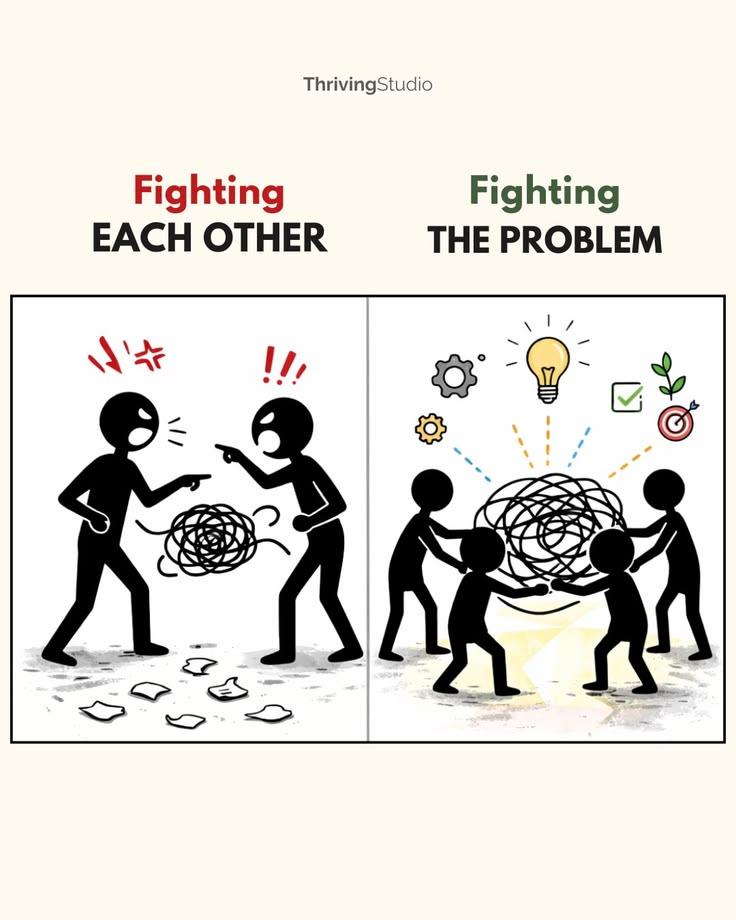
A strong opinion should make your thinking clearer, not make your professionalism harder to trust.
”How Can Founders Handle Disagreement in the Comments?
Publishing an opinion is only one part of the conversation. The response to disagreement can influence how audiences judge the founder's professionalism. A thoughtful post can lose its value if the founder responds to criticism with sarcasm, personal attacks or repeated arguments. The first step is to distinguish between different kinds of responses. Some people may offer a genuine alternative perspective. Others may ask for clarification or challenge the information used in the post. Some comments may be irrelevant, deliberately provocative or abusive. Each situation requires a different response. When someone raises a reasonable disagreement, the founder can acknowledge the point and explain where their perspective differs. They do not need to agree simply to keep the conversation pleasant. For example: "That is a useful distinction. I was looking at the issue from the perspective of smaller businesses, where limited resources can make this approach difficult. I agree that larger organisations may face different considerations." This response demonstrates that the founder can engage with another perspective without abandoning their own. If someone identifies a factual error, the founder should verify the correction. If the information is wrong, correcting the post or acknowledging the mistake is generally more credible than defending an inaccurate statement. If a comment becomes abusive or moves away from the subject, the founder does not need to continue engaging. Professional boundaries apply online as well as offline.
How Should Founders Respond When Someone Disagrees With Their Opinion?
The most useful response begins with understanding what is being challenged. Is the person questioning the evidence, interpreting the situation differently or disagreeing with the underlying principle? A clear understanding of the disagreement makes it easier to respond without becoming defensive. Founders can use a simple approach: Acknowledge the difference: Recognise that another perspective exists without automatically accepting it. Clarify the original point: Explain what the post was intended to communicate, especially if readers have misunderstood the context. Address the argument: Respond to the reasoning rather than making assumptions about the other person's intentions. Know when to stop: Not every disagreement requires a long exchange. If the conversation is no longer constructive, the founder can leave it there. There is also no requirement to respond to every comment immediately. A measured reply is often more useful than a quick reaction.
When Should a Founder Avoid Sharing an Opinion?
Some subjects require more care than others. A founder should consider whether they have enough knowledge, reliable information and a legitimate reason to comment. For example, sensitive legal, medical or financial matters may require specialist expertise. A founder should not present personal assumptions as professional advice in fields where inaccurate statements could cause harm. Similarly, an ongoing client dispute, confidential partnership discussion or internal employee matter may not be suitable for public commentary. A founder should also be cautious when reacting to breaking news or developing events. Early information can be incomplete or incorrect. Publishing a confident statement before facts are established may create unnecessary reputational risk. Avoiding a particular post does not mean avoiding every difficult subject. It means recognising when public commentary would be irresponsible, poorly informed or inconsistent with the founder's role.
How Can Founders Build a Strong Opinion-Led Content Strategy?
A strong opinion-led content strategy should be based on relevant areas of expertise rather than a search for arguments. Founders can begin by identifying the subjects they genuinely understand and the professional assumptions they often encounter. For example, a founder working in social media marketing might regularly notice questions about creator selection, content quality, audience relevance and brand communication. These areas can provide a foundation for thoughtful opinions. The founder can then organise ideas into a few broad themes. One theme may focus on industry assumptions: what businesses commonly believe and where the founder sees limitations. Another may explore business decisions: why the founder chooses one approach over another and what those choices reveal. A third may address professional standards: the principles the founder believes should guide communication, partnerships or customer relationships. A fourth may focus on emerging developments: what a change in the industry could mean and which questions deserve more attention. These themes create direction without forcing every post into the same format.
Use a Simple Structure to Develop an Opinion-Led Post
A useful opinion-led post can follow a straightforward sequence. Start with the point: State the idea clearly enough for readers to understand what is being challenged or proposed. Explain why it matters: Give the audience the context behind the opinion. Describe the situation, common assumption or professional problem that prompted it. Support the argument: Use experience, examples or reliable information to explain the reasoning. Avoid making unsupported claims. Recognise the limitation: Where relevant, acknowledge that different industries, business sizes or circumstances may require different approaches. End with a useful takeaway: Give readers a practical implication or a question that encourages thoughtful discussion. For example, consider a founder who wants to challenge the idea that every brand needs to participate in every social media trend. A basic statement might be: "Brands should stop following every trend." A developed post could say: "Not every social media trend deserves a place in a brand's content calendar. Before participating, businesses should consider whether the trend fits their audience, communication style and wider identity. A trend may attract attention, but that does not automatically make it relevant. In our view, brands should be selective about the conversations they join rather than treating participation as a requirement. The more useful question is not whether a trend is popular. It is whether taking part helps the brand communicate something meaningful." The developed version has a clear position, an explanation and a practical consideration. It is direct without dismissing businesses that may have good reasons to use trends.
How Can Founders Balance Strong Opinions With Other Types of Content?
A founder's personal brand should not become an uninterrupted series of opinion posts. If every piece of content challenges someone or argues against a common practice, the overall communication may begin to feel negative. Audiences also need educational explanations, professional reflections, relevant business experiences and useful answers to common questions. A balanced content mix gives the founder more ways to demonstrate expertise. Opinion-led posts communicate what the founder believes and why. Educational posts explain concepts and processes. Experience-based stories show how professional learning develops. Industry observations help audiences understand relevant developments. Thoughtful business updates provide context about the founder's work. These formats can support one another. For instance, a founder may publish an opinion about why audience relevance matters in creator partnerships. A later educational post could explain how to evaluate creator suitability. Another post could discuss a professional lesson about setting expectations during a collaboration. The subjects are connected, but each post contributes a different type of value. This balance also reduces the temptation to manufacture controversy simply to keep a content calendar active.
What Should Founders Do If a Post Damages Their Reputation?
Even a carefully written post can be misunderstood or receive an unexpected response. What matters next is how the founder assesses the situation and responds. The first step is to understand the problem. Is the criticism based on a factual error, unclear wording, missing context, an insensitive expression or a genuine disagreement with the opinion? These are different issues and should not be treated as the same. If the post contains inaccurate information, the founder should correct it and make the correction clear. If the wording was unnecessarily dismissive, acknowledging the impact and improving the language may be appropriate. If readers have misunderstood the intended point, the founder can clarify the context without blaming the audience for interpreting the post differently. If the criticism concerns a genuine difference of opinion, the founder may simply explain their reasoning and allow the discussion to continue. A public apology should be sincere and proportionate when an apology is warranted. It should not be used as a formulaic response to every disagreement, nor should it avoid responsibility when the founder has made a genuine mistake. The founder should also consider whether the issue requires an internal response. If a post has affected clients, employees or partners, those relationships may need direct communication rather than relying only on a public comment. The goal is to address the actual issue, not merely to make negative comments disappear.
Be Known for Your Thinking, Not Just Your Reactions
Founders do not need to avoid strong opinions to protect their brand reputation. A clear point of view can make their professional identity more distinctive, demonstrate expertise and encourage meaningful conversations within their industry. The difference lies in how that opinion is communicated. A thoughtful founder challenges assumptions, explains reasoning, checks facts and recognises the limits of personal experience. They disagree with ideas without turning every discussion into a personal confrontation. It is equally important to understand that a founder's online presence can influence how people perceive the company. Personal opinions should be expressed responsibly, official statements should be clearly distinguished and confidential information should remain protected. Not every disagreement needs a response, and not every strong feeling needs to become a post. Founders can take time to consider their words, listen to reasonable criticism and revise their views when new information changes their understanding. Ultimately, a strong personal brand is not built by agreeing with everyone or disagreeing with everyone. It is built by communicating ideas with consistency, confidence and professional judgement. The goal is to become known for the quality of your thinking, not simply the strength of your reactions.