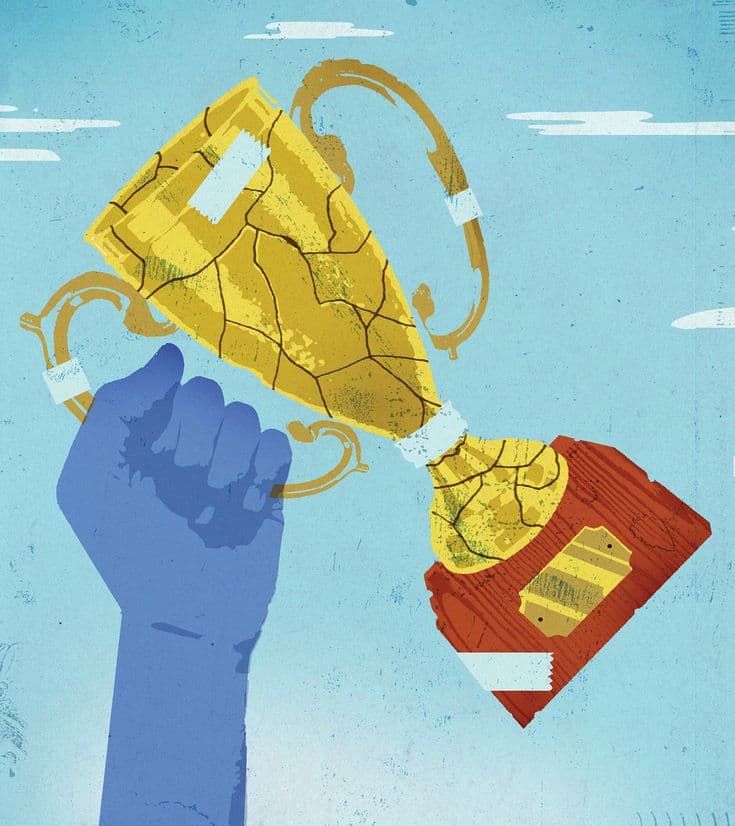

















Growth Should Not Come at the Cost of Relationships
An influencer marketing programme can feel manageable when a brand works with a small group of creators. The team knows who has collaborated before, conversations happen directly, campaign details are easy to remember and follow-ups rarely get lost. As the programme grows, however, the same informal approach becomes harder to sustain. More creators mean more conversations, more briefs, more approvals, more deadlines and more individual expectations to manage. The challenge is not simply finding additional creators. It is maintaining the quality of the relationships while the number of collaborations increases. A creator who once received direct updates may now be one of hundreds of contacts. A campaign manager may struggle to remember previous discussions, while creators may receive incomplete information or repeated requests from different people within the same brand. Even when campaigns are well planned, a disorganised relationship process can make creators feel like interchangeable entries in a database. Managing creator relationships at scale requires a system that combines organisation with human judgement. Brands need reliable records, clear ownership, consistent communication, fair agreements and a process for understanding each creator’s preferences. At the same time, they must recognise that creators are independent professionals with different working styles, audiences, schedules and expectations. A scalable programme should make collaboration easier without making every interaction feel automated. The goal is not to create a relationship that is personal in name only. It is to build an operating model in which creators receive relevant opportunities, understand what is expected, know whom to contact and are treated consistently throughout the collaboration. The brand should be able to grow its network without losing the trust that makes creator partnerships valuable in the first place.
Thus- Scaling creator relationships requires documented processes, accurate creator records and clear ownership—not simply a larger contact list. Consistent briefs, transparent compensation, timely communication and reliable follow-up help protect the creator experience as campaign volume increases. Brands should organise relationships by relevance and collaboration history while continuing to make decisions with individual creators in mind.

Why Do Creator Relationships Become Harder to Manage as an Influencer Programme Grows?
Creator relationships become harder to manage when the number of people, campaigns and internal stakeholders increases faster than the systems supporting them. Details that were once easy to remember become scattered across messages, spreadsheets, email threads and individual team members’ notes. In a small programme, one person may handle discovery, outreach, negotiation, briefing, approvals and follow-up. That person can often remember a creator’s preferred platform, previous deliverables or the reason a collaboration was postponed. As the programme expands, relying on memory becomes risky. A creator may be contacted by two colleagues about similar opportunities, a payment query may be missed or a new campaign brief may repeat questions already answered during an earlier collaboration. More creators create more relationship histories: Every creator relationship develops its own history. One creator may have completed several campaigns, another may have declined previous opportunities because of timing, and another may be new to the brand. Some may prefer email, while others may coordinate campaign details through a designated platform or contact person. These details matter because good relationship management depends on context. If the team treats every creator as a new contact each time, it can make the brand appear inattentive. If it assumes that an earlier preference still applies without checking, it can make the opposite mistake. A growing programme needs a reliable way to preserve relevant history while allowing creators to update their preferences. More campaigns create more opportunities for confusion: As campaign activity increases, several projects may run at the same time. Creators may receive different briefs, deadlines, product information and usage requests. Internal teams may also have separate priorities, which can lead to overlapping outreach or inconsistent instructions. The problem is not always poor planning. It may be unclear ownership. If no one knows who has the latest information or who is authorised to confirm a change, creators can receive conflicting messages. A central process helps teams coordinate without requiring every decision to pass through one overloaded person. More stakeholders change the communication experience: Growing programmes often involve marketing, social media, brand, legal, procurement, finance, product and agency teams. Each group may have a legitimate role, but creators should not have to navigate the organisation themselves. A creator needs to know who handles the brief, who answers content questions, who confirms approvals and whom to contact about payment. If those responsibilities are unclear, even a straightforward collaboration can become frustrating. The brand should coordinate internally before sending instructions externally. Scale can make communication feel impersonal: Templates and automation can help teams manage volume, but excessive standardisation can make creators feel that messages are being sent without considering their work. A generic invitation that does not explain why a creator is relevant may be ignored. A follow-up that repeats information already provided can suggest that the team has not reviewed the conversation. The solution is not to avoid systems. It is to use systems to preserve context. A well-organised process should make personal communication easier because the team has the information needed to make each interaction relevant.
How Can Brands Build a Creator Relationship Management System?
Brands can build a creator relationship management system by maintaining one reliable source of creator information, recording collaboration history, assigning relationship ownership and establishing clear stages from discovery to follow-up. The system should help the team make informed decisions without reducing creators to scores or contact records. A spreadsheet may be sufficient for a small programme if it is maintained carefully. A larger operation may need a dedicated creator management platform or a structured customer relationship management system. The tool matters less than the quality of the process and the accuracy of the information. Create one reliable creator record: Each creator should have a central record containing information that helps the team communicate and assess fit. This may include their name, preferred contact details, platforms, content categories, location where relevant, public profile links and the type of work they typically create. The record can also include collaboration history: campaigns completed, deliverables agreed, dates, communication notes, content permissions, payment status and any relevant feedback. Sensitive information should be collected only when necessary, stored securely and made accessible only to authorised team members. Record preferences, not assumptions: A creator record should distinguish between confirmed preferences and internal observations. For example, “prefers email for campaign briefs” is useful if the creator has stated it. “Difficult to work with” is a subjective label that may hide the actual issue and unfairly influence future decisions. Instead of vague judgements, record specific, relevant facts. If a deadline was missed, note the agreed date, the communication that took place and whether the schedule changed. If a creator requested a different format, record the request and its outcome. This makes the history more useful and less dependent on personal impressions. Preferences can change. A creator may move to a different platform, focus on a new category or become unavailable for a period. The team should confirm important details when a new opportunity is discussed rather than assuming that an old record remains accurate. Define relationship stages: A simple relationship process can help the team understand where each creator stands. Stages might include identified, reviewed, contacted, discussing terms, confirmed, active collaboration, completed and ongoing relationship. These labels should describe the current status, not assign a permanent value to the creator. The process should make it easy to see the next action and its owner. If a creator is waiting for a response, the record should show who needs to reply and by when. If a collaboration is complete, the team should know whether any agreed payment, permission or reporting steps remain outstanding. Assign a relationship owner: Every active creator conversation should have a clear owner. This does not mean one person must manage every part of the campaign. It means the creator knows who is accountable for keeping communication coordinated. For larger programmes, ownership can be divided by category, campaign or creator segment. A central lead can oversee standards and resolve conflicts, while individual managers handle day-to-day relationships. The structure should be visible internally and understandable to creators.
How Should Brands Communicate with Creators at Scale?
Brands should communicate through a consistent process that gives creators relevant information, clear points of contact and reasonable response expectations. The communication should be organised enough to manage volume but personal enough to show that the team understands the creator and the opportunity being offered. Communication is often where a creator experiences the brand most directly. The product may be excellent and the campaign idea may be interesting, but unclear messages can make the collaboration difficult. A reliable communication approach protects both the creator’s time and the brand’s reputation. Personalise outreach with a genuine reason: An outreach message should explain why the brand is contacting that particular creator. It can refer to a relevant content category, a format the creator uses well or an audience interest that connects to the campaign. The reason should be specific and genuine rather than a generic compliment. Personalisation does not require writing an entirely new message every time. A template can provide structure for the introduction, campaign summary and next steps. The team should still review the message and adapt the details so that it reflects the creator’s actual work. Avoid claiming to have followed someone’s content closely if that is not true. Avoid promising future campaigns or guaranteed exposure unless the brand can genuinely support that promise. Clear, honest outreach creates a better starting point than exaggerated enthusiasm. Use templates as a foundation, not a substitute for judgement: Templates are useful for recurring communication such as initial outreach, campaign invitations, briefing instructions, reminders and completion messages. They help ensure that essential information is included and reduce the chance of inconsistent wording. However, a template should not be sent without checking its relevance. The creator’s name, campaign details, deliverables, dates, compensation and response deadline must be correct. The message should also reflect the stage of the relationship. A first-time invitation should not sound like a reminder to someone who has already agreed to participate. Set response expectations on both sides: Creators should know when they can expect a response after sharing a proposal, submitting content or asking a campaign question. Reasonable deadlines help both parties plan their work. A response-time standard should be realistic for the team's capacity. It is better to communicate a practical timeline and meet it than to promise immediate replies that the team cannot provide. If a decision is delayed, the creator should receive an update rather than being left to guess. Close the loop after every important interaction: When a creator submits work, receives feedback, completes a campaign or declines an opportunity, the brand should communicate the next step. Acknowledging receipt, confirming approval or explaining a delay shows that the conversation has not disappeared into an inbox. Follow-up should be useful rather than excessive. Repeated reminders without new information can feel like pressure. A good process identifies when a follow-up is necessary and when the creator has already provided a clear answer.

A scalable programme should make it easier for creators to work with the brand, easier for internal teams to coordinate and easier for both sides to understand what happens next.
”How Can Brands Maintain Fair Expectations, Contracts and Payments?
Brands can maintain healthy creator relationships by making expectations explicit before work begins and following the agreed terms throughout the collaboration. Deliverables, deadlines, compensation, usage rights, exclusivity, revisions and disclosure requirements should not be left to assumptions or informal promises. As a programme grows, inconsistency in these areas can become especially damaging. One creator may receive a detailed agreement while another receives only a brief message. A payment may be processed promptly for one campaign but delayed in another because no one owns the process. Clear standards help prevent these differences. Define deliverables precisely: A brief should state what the creator is expected to produce. It should identify the content format, number of assets, platform, publication requirements, deadlines and any technical specifications that genuinely matter. Avoid vague descriptions such as “a few stories” or “some social content.” The parties should agree on the actual scope. If the brand later requests additional work, it should discuss the change rather than treating it as automatically included. Agree on compensation and payment terms: Compensation should be discussed before the creator commits to the work. The agreement should explain the amount or agreed arrangement, payment milestones, required documentation and expected payment timeline. If a collaboration involves gifting, product exchange or another non-cash arrangement, explain that clearly. Do not describe a paid assignment as an exposure opportunity or assume that creators will accept additional work because they are already part of the programme. The finance process should be coordinated with the campaign team. Creators should know where to raise payment questions and should not have to chase several departments to find out whether an invoice has been received or processed. Clarify content rights and usage: A brand should distinguish between permission to publish a creator's content on the creator's own channel and permission for the brand to reuse that content elsewhere. Website use, organic reposting, advertising use, editing rights, duration and territory may require separate discussion and agreement. The agreement should explain what the brand may do with the content and for how long. Creators should not be expected to assume that every piece of work can be reused indefinitely simply because it was created for a campaign. Set a fair revision process: The brief should explain how many revision rounds are included, what kinds of changes may be requested and how feedback will be delivered. Revisions should focus on agreed requirements, factual accuracy and the campaign objective. If the brand changes its direction after content has been created, the team should recognise that this may affect scope and timelines. A creator should not be held responsible for changes that were not part of the original agreement. Explain disclosure and category requirements: Where a creator has a material connection with a brand, applicable advertising and platform disclosure requirements should be followed. The brand should provide clear guidance and allow enough time for the creator to understand it. If exclusivity or category restrictions are requested, they should be specific, limited and agreed in advance. A broad restriction introduced late in the process can affect a creator's other professional commitments and should not be treated as a minor detail.
How Can Brands Preserve Personal Relationships When Campaign Volume Increases?
Brands can preserve personal relationships by recognising creators as individuals, remembering relevant collaboration context and creating opportunities for two-way communication. Personal attention does not require constant messaging; it requires interactions that are thoughtful, timely and appropriate to the relationship. A common misconception is that scale inevitably makes relationships impersonal. In practice, the problem is usually not the number of creators but the absence of a process for remembering what matters. A team can manage many relationships while still communicating respectfully if it has accurate information and clear ownership. Understand what each creator values: Creators may value different aspects of a collaboration. Some prioritise creative freedom, others want clear timelines, predictable payment, relevant products or opportunities that fit their audience. The brand should learn these preferences through conversation rather than assuming that every creator wants the same thing. This does not mean every preference can be accommodated. Campaign requirements may limit formats, schedules or usage arrangements. The important point is to understand the creator's perspective and explain constraints honestly. Avoid contacting creators only when the brand needs something: If every interaction is a campaign request, the relationship can feel purely transactional. Brands can maintain professional contact by sharing relevant updates, acknowledging completed work and asking for feedback when there is a genuine reason. This does not mean sending unnecessary greetings or creating artificial engagement. Creators are busy professionals. A useful update or a thoughtful follow-up is more valuable than frequent messages that have no clear purpose. Keep the relationship broader than one campaign, but specific in its commitments: A brand may want to work with a creator over time, but that does not mean every future project is already agreed. Each new collaboration should have its own scope and terms. The ongoing relationship provides familiarity; it does not remove the need for clear consent and negotiation.
How Can Brands Coordinate Internal Teams Without Making Creators Manage the Brand?
Brands should coordinate campaign, social, legal, finance and product responsibilities internally so creators receive one coherent set of instructions. Creators should not have to resolve conflicting internal opinions or discover which department has authority to approve a decision. As influencer programmes expand, internal coordination becomes just as important as creator outreach. A campaign may involve several departments, but the creator should experience a clear process rather than a chain of disconnected conversations. Establish responsibilities before outreach: Before a campaign begins, identify who owns the brief, who approves claims, who reviews content, who confirms publication and who handles payment. The roles may vary by organisation, but they should be clear for every project. Use one approved source for campaign information: The latest brief, product facts, approved assets, deadlines and contact details should be stored in a central location. Team members should know where to find the current version and how changes are recorded. If a product detail changes, the team should update the reference material and inform anyone working on affected content. Sending corrections through separate informal messages increases the risk that someone continues using outdated information. Coordinate feedback before sending it to creators: Internal reviewers should consolidate feedback wherever possible. A creator should not receive one set of instructions from the social team, another from legal and a third from the brand manager without an explanation of how they fit together. The campaign owner can collect comments, resolve contradictions and send one clear response. If a specialist needs to communicate directly with a creator, the relationship owner should remain informed. Create a handover process: When a campaign manager changes roles or becomes unavailable, the next person should be able to understand the creator's status without reconstructing the entire history. The central record should show agreed terms, pending tasks, previous communication and the next action. A proper handover protects the creator from having to repeat information and protects the brand from losing important commitments. It is especially useful when programmes operate across several teams or locations.
How Should Brands Review and Improve Creator Relationships Over Time?
Brands should review creator relationships regularly by looking at collaboration quality, communication, reliability, creator feedback and whether future opportunities remain relevant. Reviews should help the team improve the process, not turn every creator into a permanent ranking. A programme can appear organised while creators experience delays, unclear briefs or repeated changes. Internal reporting should therefore be balanced with direct feedback from the people involved. Ask creators for specific feedback: Ask whether the brief explained the requirements, whether the timeline was realistic, whether communication was timely and whether the agreed terms were followed. Do not ask for feedback if the brand has no intention of considering it. When a change is possible, explain what will be improved. When it is not possible, acknowledge the feedback and clarify the constraint. Look at relationship continuity with context: Repeat collaborations can indicate that a creator and brand have found a workable professional fit. However, repeat work should not be treated as the only sign of a healthy relationship. A creator may be unavailable, change categories or decide that a particular campaign is not right for their audience. The team should review whether suitable opportunities are being offered and whether creators are receiving clear information. A declined campaign is not automatically a failed relationship. Identify process problems that repeat If creators repeatedly ask the same questions, briefs may need improvement. If payment queries recur, the finance workflow may need clearer ownership. If content approvals regularly run late, the review process may be too complicated or lack a decision-maker. These patterns are more useful than broad statements that creators are difficult to manage. A growing programme should improve its own systems instead of expecting creators to adapt to avoidable confusion.
Scale the Programme, Not the Distance Between People
Managing creator relationships as an influencer marketing programme grows is ultimately a question of building reliable systems around human relationships. More creators and more campaigns will naturally increase operational complexity, but they do not have to make communication less thoughtful or collaboration less professional. The foundation is a central record that preserves useful context, clear relationship ownership and a workflow that follows each collaboration from first contact to final follow-up. Consistent briefs, transparent agreements, timely approvals and dependable payment processes protect creators from avoidable uncertainty. Internal coordination ensures that creators receive one coherent set of instructions instead of having to manage the brand's departments themselves. At the same time, brands should resist the temptation to automate every interaction or judge relationships only through campaign volume. Templates can make communication efficient, but they cannot replace genuine relevance. Databases can preserve history, but they cannot decide whether a creator is right for a particular opportunity. Those decisions still require people who understand the brand, the creator and the context of the collaboration. A scalable programme should make it easier for creators to work with the brand, easier for internal teams to coordinate and easier for both sides to understand what happens next. When the operating system is clear and the relationship remains respectful, growth does not need to come at the expense of trust.