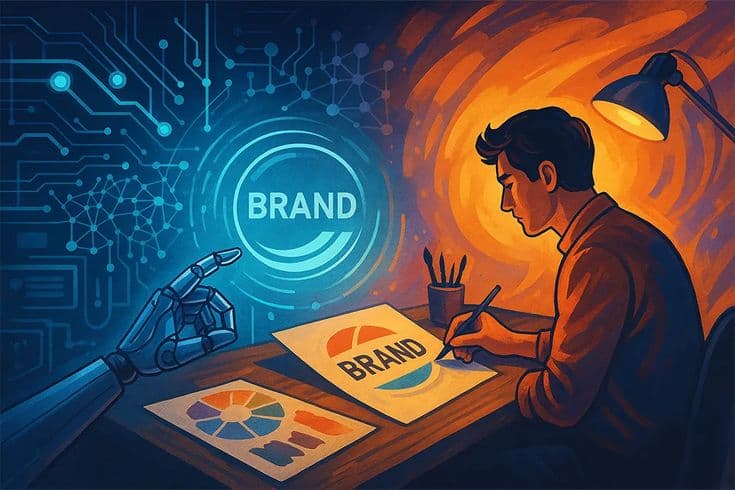

















Why the Future of Branding Isn’t Choosing Between Aesthetics and Authenticity
For years, marketers chased perfection. Every campaign was meticulously planned. Every frame was colour-graded. Every product was photographed under perfect lighting, every script rehearsed and every video edited to cinematic standards. The belief was simple: the more polished the content looked, the more premium the brand appeared. Then the internet changed. Platforms like Instagram Reels and TikTok introduced a different style of communication. Suddenly, phone-shot videos, behind-the-scenes clips, founder stories and creator-led content began outperforming traditional advertisements. Audiences gravitated towards content that felt real rather than heavily produced. Almost overnight, the marketing conversation shifted. Brands that once invested heavily in polished productions started questioning whether authenticity meant abandoning aesthetics altogether. Businesses began replacing carefully crafted visuals with shaky phone footage simply because "raw content performs better." That conclusion, however, misses the bigger picture. The debate was never about polished versus raw. It has always been about relevance. The strongest brands are not the ones choosing one format over the other. They are the ones choosing the format that best communicates their identity, resonates with their audience and supports their business objective. That distinction is what separates strategic marketing from trend-driven marketing. Today, brands are often presented with two opposing schools of thought. One insists that cinematic visuals create aspiration, trust and premium perception. The other argues that authenticity wins because customers relate more to unfiltered, everyday content. The truth is considerably more nuanced. Neither approach is universally correct. A luxury fashion house, an adventure travel company, a wellness startup and a founder building a personal brand all communicate in entirely different ways. Expecting them to use the same visual style simply because one format is currently trending ignores the most fundamental principle of branding: Every brand should communicate in a way that reflects who it is. This is precisely why the conversation should no longer be framed as visual aesthetics versus raw content. The real question is far more strategic: What is the most authentic way for this particular brand to tell its story?
The Biggest Mistake Brands Are Making Today
Marketing trends have always influenced creative decisions. Five years ago, almost every business wanted glossy commercials, perfectly curated Instagram feeds and highly stylised photography. Today, the pendulum has swung in the opposite direction. Many brands now believe authenticity automatically means filming everything on a phone, avoiding professional production and embracing an intentionally casual aesthetic. Neither extreme is healthy. Brands are no longer making creative decisions based on strategy. They are making them based on whatever format currently dominates social media. That approach rarely produces long-term success. Authenticity should never become an excuse for poor creative execution. Likewise, premium production should never become an excuse for lifeless storytelling. A poorly thought-out cinematic advertisement remains forgettable. An unplanned phone-shot video remains ineffective. Neither succeeds simply because of the equipment used. Successful content is built around a much stronger foundation. It begins with understanding the audience. It respects the brand's personality. It communicates a clear idea. Only then does the choice of production style become relevant. Unfortunately, many brands reverse that process. Instead of asking, "What story are we trying to tell?", they ask, "Should this be shot on an iPhone or a cinema camera?" That question comes far too early. Production is a creative decision. Strategy is a business decision. The second should always guide the first.
---
Relevant Content Will Always Outperform Trend-Driven Content
One of the most common misconceptions in modern marketing is the belief that raw content naturally performs better than polished content. The reality is much simpler. Relevant content performs better. Every successful campaign, regardless of its production quality, succeeds because it delivers value that audiences care about. Sometimes that value comes through authenticity. Sometimes it comes through aspiration. Sometimes it comes through education, entertainment or emotional storytelling. The format simply supports the message. Consider two completely different scenarios. A founder sharing lessons from building a startup often benefits from a simple, conversational style. A phone-shot video filmed inside an office may feel more believable because audiences connect with the individual rather than the production. Now compare that with a luxury jewellery campaign. Customers purchasing premium jewellery are not only buying craftsmanship; they are buying exclusivity, elegance and aspiration. The visual language must reinforce those emotions. High-quality cinematography, refined lighting and premium styling are not unnecessary luxuries—they are essential components of the brand experience. Both examples are successful. Both communicate effectively. Yet they rely on entirely different creative approaches because they serve entirely different audiences. This is exactly why Social Up Marketing approaches every content strategy differently. Instead of forcing every client into the latest trend, the focus remains on understanding the brand's positioning, target audience, personality and long-term objectives before deciding how the story should be told. The question is never whether polished or raw content is superior. The question is whether the chosen format genuinely represents the brand.
----
When Raw Content Works Better Than Perfect Production
One of the reasons raw content has become so influential is because it reduces the distance between the brand and the customer. Consumers today are surrounded by advertising every time they unlock their phones. They instinctively recognise when something has been created purely to sell them a product. As a result, content that feels conversational often performs better because it blends naturally into the way people already consume social media. This is exactly why User-Generated Content (UGC) has become one of the strongest marketing tools for D2C brands. When real customers or creators demonstrate how they use a product in their everyday lives, audiences are able to visualise themselves having the same experience. The content feels less like an advertisement and more like a recommendation from someone they trust. Founder videos operate on the same principle. People increasingly want to know who they are buying from, not just what they are buying. A founder speaking directly to the audience, sharing lessons learned, discussing product development or explaining the brand's journey naturally builds credibility because viewers connect with a real person rather than an anonymous business. Similarly, testimonials, behind-the-scenes moments and day-in-the-life content often benefit from a more natural style of production. However, "natural" should never be confused with "careless." One misconception that has emerged over the past few years is that authenticity requires poor production quality. It does not. A phone-shot video can still have excellent framing, thoughtful lighting, clean audio and purposeful editing. Authenticity lies in the communication, not in avoiding creative effort. Good editing exists for a reason. Whether content is captured using a professional cinema camera or a smartphone, execution still matters. Strong pacing, clear storytelling, engaging captions and polished post-production elevate the viewing experience without making the content feel artificial. Brands should therefore stop asking, "Should we shoot this on a phone?" Instead, they should ask, "Does this format make the story feel more believable?" If the answer is yes, raw content becomes a strategic choice rather than a marketing trend.
---
Why Premium Brands Cannot Afford to Ignore Visual Aesthetics
At the opposite end of the spectrum are brands whose entire value proposition depends on perception. Luxury fashion. Jewellery. Premium skincare. Fine dining. Luxury hotels. High-end architecture. Interior design. For these industries, aesthetics are not merely part of the marketing strategy. They are part of the product itself. A customer purchasing a luxury handbag is buying more than leather and craftsmanship. They are buying exclusivity, aspiration and status. Those emotions are communicated visually long before a customer experiences the product in person. Imagine if Louis Vuitton suddenly replaced its carefully art-directed campaigns with everyday shaky phone videos simply because authenticity had become a trend. Would the content feel more relatable? Perhaps. Would it strengthen the brand? Almost certainly not. The same principle applies to brands like Rolex, Victoria's Secret or premium hospitality businesses. Their audiences expect sophistication. They expect refinement. They expect every visual interaction with the brand to reinforce its exclusivity. Abandoning that visual language would weaken the very perception customers are paying for. This does not mean premium brands cannot embrace authenticity. It simply means authenticity must exist within their own visual identity. A luxury hotel can showcase behind-the-scenes preparation while maintaining cinematic quality. A jewellery brand can feature artisans crafting pieces without compromising elegance. An interior design studio can document projects in progress while preserving its premium aesthetic. Authenticity and aesthetics are not opposites. The strongest brands understand how to combine them.
The Best Content Ecosystems Never Choose One Side
One of the most strategic mistakes businesses make is believing they must commit entirely to either polished production or raw content. The reality is that successful brands rarely rely on just one format. Instead, they build a balanced content ecosystem where each type of content serves a different purpose. A polished brand film may establish aspiration and premium positioning. A founder video may build trust. UGC may provide authentic social proof. Creator collaborations may introduce the brand to new communities. Behind-the-scenes content may humanise the business. Professional product photography may reinforce quality. Each format contributes something different to the overall brand narrative. Rather than competing with one another, they complement one another. The objective is not consistency in production style. It is consistency in brand identity. Regardless of whether the audience is watching a cinematic campaign or a founder speaking into a smartphone, they should immediately recognise the same personality, values and tone. That consistency is what builds brand recall. It is also what allows businesses to experiment creatively without confusing their audience. The question therefore should never be, "Should our content be polished or raw?" It should be, "Which format best communicates this particular story while remaining true to our brand?" That shift in thinking transforms content creation from a creative exercise into a strategic one. Storytelling Matters More Than the Camera One of the easiest traps for marketers is believing that better equipment automatically creates better content. It doesn't. A high-end cinema camera cannot compensate for a weak idea. Likewise, a smartphone cannot magically make ordinary content feel authentic. What audiences ultimately remember is not the camera that captured the story. They remember the story itself. Every successful campaign begins with a simple question: What should the audience feel after watching this? Should they feel inspired? Should they trust the brand more? Should they imagine themselves using the product? Should they learn something valuable? The answers to these questions determine the creative direction far more than the production setup ever will. Consider a beautifully shot campaign that showcases stunning visuals but never communicates why the brand exists or why the audience should care. It may earn compliments for its cinematography, but if it fails to create an emotional connection, it quickly becomes forgettable. On the other hand, a thoughtfully planned founder video, captured on a smartphone but built around genuine insights and meaningful storytelling, can generate conversations, build credibility and strengthen customer relationships because audiences connect with the person behind the screen. The difference lies in intention. Production quality supports storytelling. It does not replace it. This is why successful brands begin every creative discussion with strategy rather than equipment. The story decides the format. The format should never decide the story.
---
How Social Up Marketing Chooses the Right Creative Direction
One of the biggest misconceptions businesses have is that agencies simply recommend whichever content format is currently trending. In reality, every effective content strategy begins much earlier. Before deciding whether content should be cinematic, creator-led, founder-focused or UGC-driven, the team first understands the fundamentals of the brand. Who is the audience? What does the brand represent? What perception should customers associate with it? How does the brand want people to feel after interacting with its content? Only after answering these questions does the creative direction begin to take shape. For some brands, that means investing in premium visual storytelling that reinforces aspiration and exclusivity. For others, it means building trust through authentic founder communication, relatable creator collaborations and user-generated content that feels native to social platforms. Many brands require both. There is no universal formula because there are no two brands with identical personalities, audiences or business objectives. At Social Up Marketing, content strategy is therefore never approached as a choice between aesthetics and authenticity. Instead, the focus remains on identifying the format that communicates the brand's story in the most believable, engaging and strategically relevant way. That philosophy ensures every creative decision serves a purpose rather than simply following a trend.
Beyond the Debate: Building Content That Truly Represents Your Brand
The conversation surrounding visual aesthetics and raw content has become unnecessarily polarised. Brands often feel pressured to choose one side, as though embracing authenticity requires abandoning quality, or investing in premium production means sacrificing relatability. Neither assumption is true. The strongest brands understand that audiences do not reward content because it was shot on a particular camera. They reward content that feels genuine, relevant and memorable. Sometimes that means cinematic storytelling. Sometimes it means founder-led conversations. Sometimes it means creator content or user-generated videos that naturally demonstrate how a product fits into everyday life. What remains constant is not the production style. It is the strategic thinking behind it. Ultimately, marketing should never ask, "Should this video be polished or raw?" It should ask, "What is the most authentic way for this brand to tell this story?" That single question shifts the focus away from trends and back towards what truly builds great brands. At Social Up Marketing, every content strategy begins with that philosophy. Rather than forcing businesses to choose between polished aesthetics and raw authenticity, the agency helps brands identify the creative approach that best reflects their identity, resonates with their audience and supports long-term business growth. Because in the end, the content people remember is rarely the most expensive or the most casual—it is the content that feels unmistakably true to the brand behind it.
----
The Final Frame
The future of content marketing does not belong exclusively to polished campaigns or phone-shot videos. It belongs to brands that know when to use each. Visual aesthetics create aspiration. Raw content builds connection. Storytelling gives both a purpose. The brands that understand how to balance all three will not only capture attention—they will build trust, strengthen recall and create lasting relationships with their audiences. In the end, great marketing is never about choosing between polished and raw. It is about choosing the right story, told in the right way, for the right audience.